
Tracing the History of Guitar Tab, From Seeger to Steve Vai

The first thing I did was put a slide on my left hand and play along, making uneducated and non-technical sounds, with several albums that were favorites of mine. Those albums were from artists including the Grateful Dead, Captain Beefheart, Derek Bailey, and Sonny Sharrock, as well as a 1964 album of valiha music from Madagascar. Over the decades that followed, I came to meet and play and record with all of the artists that I played
along with that day. When David Lindley and I traveled to Madagascar in 1991 to record our A World Out of Time albums, we recorded with Sylvestre Randafison, my favorite of the valiha players on that 1964 album. How could this possibly have happened? I believe that I have guitar tablature to thank!
Like many self-taught guitarists today, tab was my primary mode of instruction for learning how to get around the fretboard. Tab was the way that I mastered the guitar solos of my guitar heroes—and, more importantly, their musical concepts and ways of expressing their ideas and feelings. In 2025, I’ve thought back about this, wondering how long tab has been in existence, and how it became a dominant feature of guitar instruction.
After a bit of online research, I decided to speak with many of the musical educators and artists who, 50–60 years ago, were involved with the published beginnings of tab in the U.S. Long before that, though, tablature likely originated with the Chinese guqin more than 1,500 years ago. Written guqin music did not directly tell what notes were played. Instead, it was written in a
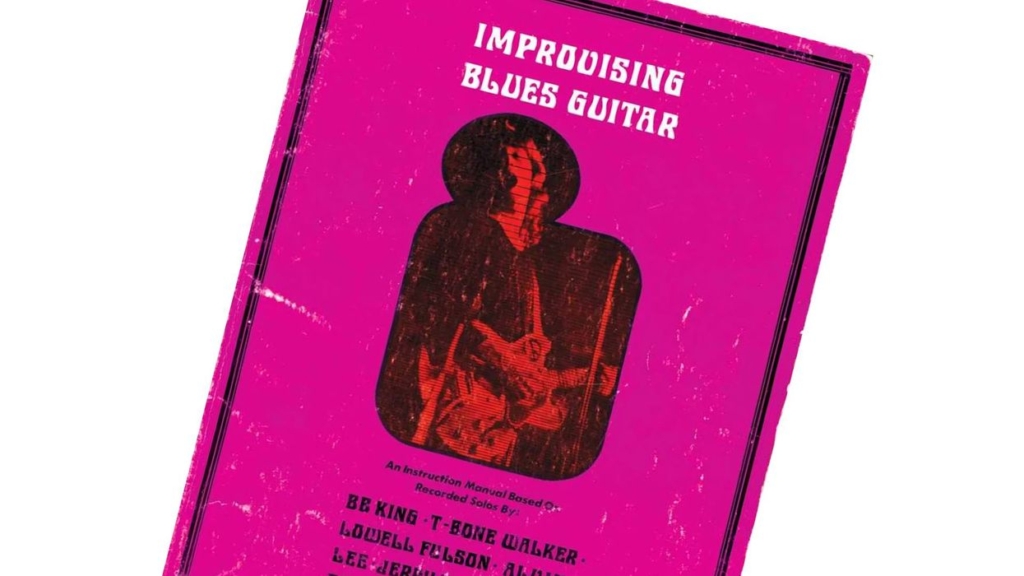
tablature detailing tuning, finger positions, and picking techniques, comprising a step-by-step method and description of how to play a piece—just like the Improvising Blues Guitar book I purchased with my first guitar. Although that book did have conventional Western music notation printed above the tab.



Responses