
Mike Campbell’s closet discovery puts a classic Heartbreakers sound back in the spotlight


Mike Campbell has a long history of finding memorable tones in the gear around him, but his latest rediscovery came from an unlikely place: his closet. In a Guitar World interview, the Heartbreakers guitarist said he pulled out a classic piece of band gear, switched it on, and immediately heard something that felt familiar and essential. His reaction was simple and telling: it was a sound he had been missing.
That kind of moment resonates with guitar players because it cuts through the endless hunt for the next new pedal, amp, or signature model. Campbell’s experience is a reminder that tone is not always about buying something else. Sometimes it is about reconnecting with an older piece of equipment and hearing it with fresh ears. For players who have spent years chasing their ideal sound, the story lands as both practical and inspiring.
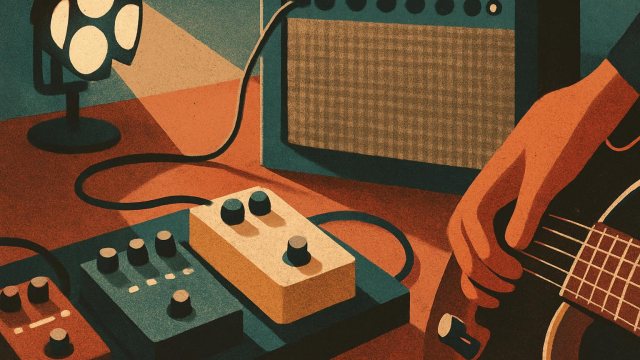
The Guitar World piece does not frame this as a technical breakthrough so much as a personal one. Campbell’s rediscovery suggests that familiar gear can still surprise even seasoned players when it is revisited at the right time. For a guitarist whose work with Tom Petty and the Heartbreakers helped define a generation of American rock, a small tonal rediscovery carries some weight. It also speaks to how players often develop a relationship with gear that goes beyond specs or price tags.
There is also a broader lesson here for guitarists working on their own rigs. It can be easy to overlook the gear already in the room, especially when the internet constantly serves up new recommendations and demo videos. Campbell’s closet find is a good nudge to experiment with what you already own, from old pedals to forgotten amps to parts of a rig that have not seen daylight in years. The right piece of equipment does not always announce itself loudly; sometimes it waits until you pull it back out.
Why it matters is straightforward: tone inspiration can come from rediscovery as much as from acquisition. For players trying to refine a sound for recording, rehearsal, or the stage, Campbell’s experience reinforces a useful habit. Revisit the familiar. Plug in the forgotten. Listen again. That one small move can reopen a door you did not realize had closed.
For SixString readers, the appeal is not just nostalgia. It is the reminder that great guitar sounds are often built through curiosity and patience, not just shopping. Campbell’s closet moment is the kind of practical rock-and-roll story that every guitarist can relate to, whether they are chasing vintage shimmer, gritty rhythm, or simply a tone that feels like home.





Responses