Noel Gallagher’s Iconic Live ’25 Les Paul
What’s the story behind Noel Gallagher’s Live ’25 Les Paul?
It was the moment every Oasis fan had been waiting for since the biggest reunion tour in British music history was announced last summer. July 4th saw Oasis take to the stage at the Principality Stadium in Cardiff for their first appearance on stage together since 2009, blowing away the cobwebs in emphatic fashion with a hit-packed set.
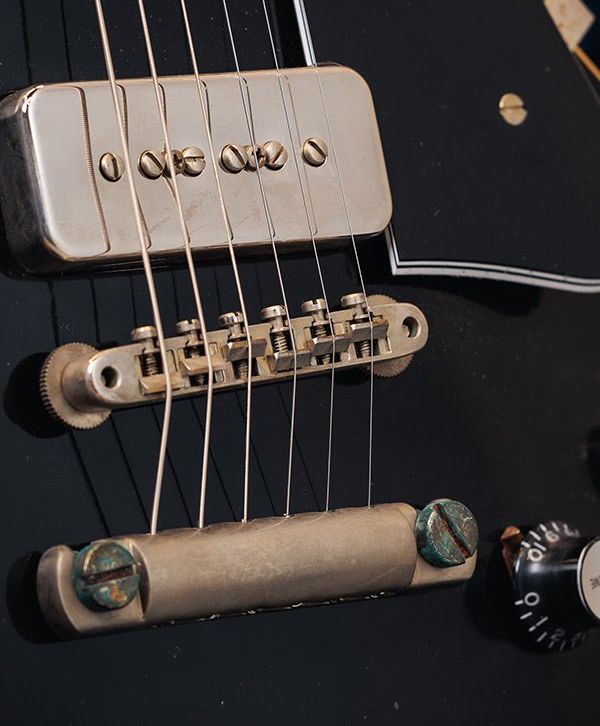
The Live ’25 tour continued in Manchester and now London, generating rave reviews from music fans and media alike. Thanks in no small part to the three-guitar wall of sound architected by Noel Gallagher, Gem Archer, and Paul “Bonehead” Arthurs, Oasis are on fire and sounding bigger than ever. But eagle-eyed guitarists in the audience have been quick to notice that one of Noel Gallagher’s main instruments for the reunion shows is a mysterious black Gibson Les Paul™ with P-90 pickups, which appears to be new to his collection.
Online speculation has been rife, so we spoke to Lee Bartram, the Head of Commercial, Marketing & Cultural Influence at Gibson EMEA, to bust a few myths and get the inside scoop on the design process behind Noel Gallagher’s new Les Paul.
Gibson and Epiphone have worked with Noel on several instruments over the years. What’s the story behind the black Les Paul, and did Noel always have it in mind for the reunion shows?
“We have been working on this guitar for at least 18 months. It really came from a conversation around creating a Les Paul that would accommodate P-90s (which Noel was playing a lot with NGHFB at the time, favoring Epiphone USA Casinos) at high volumes, without compromising on the sound and tone of the pickup.
“Aesthetically, Noel had an idea of what he wanted it to look like, and we tried out a few hardware, finish, and color options before landing where we did. Obviously, at the time of initial designs, I had no idea what the guitar was intended to be used for. But, as development continued, it was important to create a guitar that would give different sonic layers to a lineup of three guitarists playing to stadium-level attendances. The guitar needed to be loud and capture the vibe of those earlier shows, without compromising the output and tone of the pickups.”
Responses